On February 11, everything stops for a few seconds in so many hospitals. The smell of coffee is perceived differently, and the rare sweetness of smiles is encountered. On the doors, suspended sheets, where words are left. Not an ordinary day, this February 11, associated with World Day of the Sick, imposes this brief moment of pause. The tribute is repeated every year, and no one remains insensitive because illness knows no borders.
This moment, you grant it or not in silence. You may come across this name, World Day of the Sick, and a question arises, why this universal focus? For more than thirty years now, the planet has focused on one simple thing: recognizing suffering, visible or not, and reminding that no one truly protects themselves from it.
The meaning of World Day of the Sick and its history linked to February 11
The history is rooted in an initiative by Pope John Paul II. This choice of February 11 is not trivial. It is also the feast of Our Lady of Lourdes, at this site so marked by the waiting for a healing and the silent presence of those who ask for nothing less than peace. Every year, Lourdes sees crowds, each coming to seek solace, leaving behind fear or invoking the miracle.
The church maintains this tradition. A day dedicated to those who go through illness, whether one is a believer or not. John Paul II thus sets a landmark, giving each suffering, on the world stage, the place it deserves. Since 1992, February 11 has entered the universal calendar, not to celebrate pain but to unite around it a supportive humanity.
The origin and establishment by Pope John Paul II
Why such an institution in 1992? Because illness has just come out of taboo, and the collective gaze is slowly shifting before the end of the last century. The choice of February 11 is not random. That day, Our Lady of Lourdes already shines in the global imagination, renowned for welcoming those seeking a glimmer of hope. The symbolic dimension then extends well beyond the religious ritual.
Do you feel the weight of this impulse? From its creation, World Day of the Sick transcends beliefs, touches universal dignity, and brings fragility to the height of humanity. Since 1992, the date does not vary: February 11 seals a tacit contract between silence, attention, and mobilization.
The objectives and universal scope of World Day of the Sick
The scope of this date goes far beyond a simple spiritual framework. Modern times demand a collective resonance, without distinction of faith or territory. Do you grasp the specificity?
| Spiritual Objectives | Social Objectives | Universal Dimension |
|---|---|---|
| Value compassion, witness moral support | Raise awareness in societies about the reality of illnesses and the need for care | Include all categories, without religious or geographical distinction |
| Promote hope and human dignity in illness | Develop concrete actions of engagement and solidarity | Deliver a message of unity despite the diversity of beliefs |
This day brings together families, associations, hospitals, and decision-makers, in a movement without confessional or institutional barriers. Do you read the strength of the collective? The date highlights forgetfulness, isolation, the need for care; every home, every hospital room becomes a scene of global mobilization.
The celebrations and initiatives of February 11, between rites, actions, and national engagement
How is this solidarity manifested, concretely, that day?
The liturgical feast and messages from the Vatican
This morning, in so many cities and villages, an unusual solemnity hangs in the air. Masses follow one another, and everywhere the same collective intensity. In 2025, for this thirty-third edition, the theme revolves around the compassion of the Good Samaritan. A momentum of hope, amplified by a message from the Vatican that addresses the entire planet. The words are heard differently, each sentence contains an expectation, a silent promise, a mark of unity.
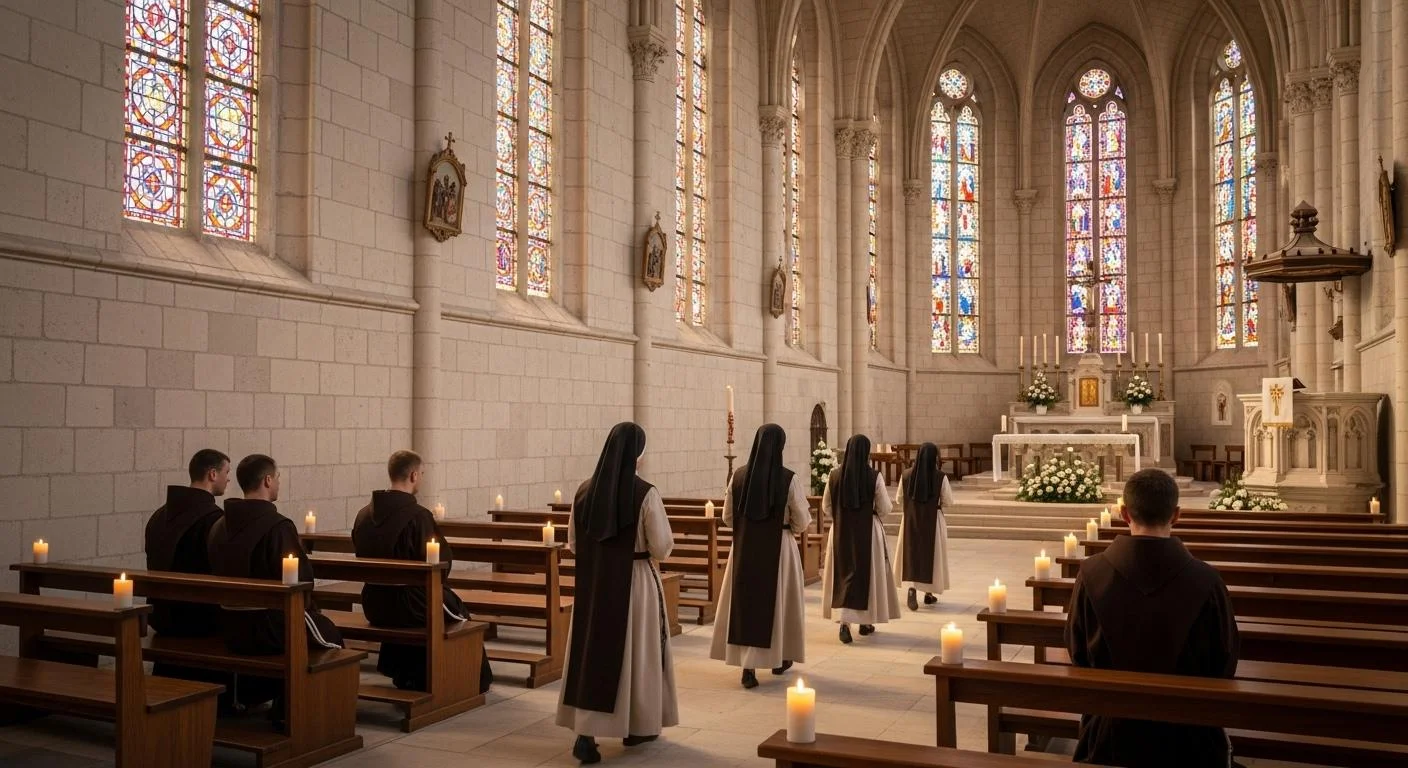
On the side of parishes, priests are discreetly active. They bless, pray, and gather. Caregivers also find themselves there. Volunteers reach out, patients lift their heads, everyone, in a common breath, shares the strength of a suspended moment.
The support and accompaniment actions on the occasion of the great mobilization of February 11
But solidarity also embodies itself in the details. Local associations, volunteer groups, all spring into action from the first hour. Visits to the sick are organized, creative workshops open to families, discussions break isolation.
Last year, the Paris Hospitals Foundation highlighted an 18 percent increase in the number of volunteers present at the event. This dynamic is observed in family lounges, at the hospital, among isolated individuals. Distributions of meals, essential medical supplies, and sweet notes on a small paper left in the morning multiply these gestures that save a day.
« I expected nothing, admits Mr. Ricardo, in oncology, that February morning. Yet one gesture changed everything. The room filled with anonymous flowers. I understood that strangers were thinking of me, and my strength returned. »
Accompaniment never drifts far. It is about touching the lives of those whom illness weakens concretely.
The communities involved and personalities supporting World Day of the Sick
A multitude of actors acts on February 11. Parishes multiply moments of listening, dialogue, and prayer. Charitable associations increase their presence to provide material and moral relief. The community fabric suddenly awakens, even far from the spotlight.
| Communities | Main Roles | Notable Outcomes |
|---|---|---|
| Parishes and clergy | Organization of ceremonies, listening, and spiritual accompaniment | Strengthening of community fabric, increased visibility |
| NGOs and associations | Psychosocial, logistical, and material support | Better access to care for vulnerable populations |
| Health professionals | Medical and human care | Enriched caregiver-patient relationship, strengthened social recognition |
Voices are rising. The volunteers from the Society of Saint Vincent de Paul or the Little Brothers of the Poor provide their support, in complete discretion. Religious personalities encourage collective momentum, and the national press relays ambitious campaigns. Moreover, over the years, the share of chronic patients who have broken isolation during this event continues to grow. The National Center for Palliative Care has noted a 7 percent decrease in acute isolation observed during these campaigns.
- The human impact emerges in the simplicity of daily life
- Solidarity is lived in silence, far from the spectacular
- The social recognition of caregivers amplifies during this period
The current challenges and perspectives of World Day of the Sick in the society of 2025
The world is accelerating, chronic illness is imposing itself, precariousness and isolation are invited. February 11 has never resonated so much. In 2025, more than 15 million French people live with a long-term condition, according to the Ministry of Health. The injustice of access to treatments adds to suffering, society opens its eyes a little more when great age, poverty, rare or forgotten diseases intersect.
Associations and institutions multiply initiatives to combat loneliness, defend health equality, and honor often invisible caregivers. Illness comes out of silence, and society must carry these voices.
The official messages and the evolution of themes related to World Day of the Sick
The themes evolve their contours over the years. Dignity, fraternity, the meaning of suffering seize the debate. The Vatican adapts each message, each slogan to its time. Do you feel the difference during a health crisis, or even in a digital revolution? World Day of the Sick blows a wind of humanity, awakening collective vigilance, making solidarity an almost natural reflex.
Next year, what focus would society retain? Perhaps an advocacy for caregivers, or a focus on human relationships in care. Ultimately, what remains most important: the gesture, the word, or the thought, given today and not postponed to tomorrow?
February 11 leaves a mark, sometimes tiny, but never useless. A simple hand extended, a glance, a word of support, change the horizon for those who doubt, who waver, who wait. World Day of the Sick reminds us, at each edition, that solidarity is born in unexpected places and suddenly takes on all its meaning.