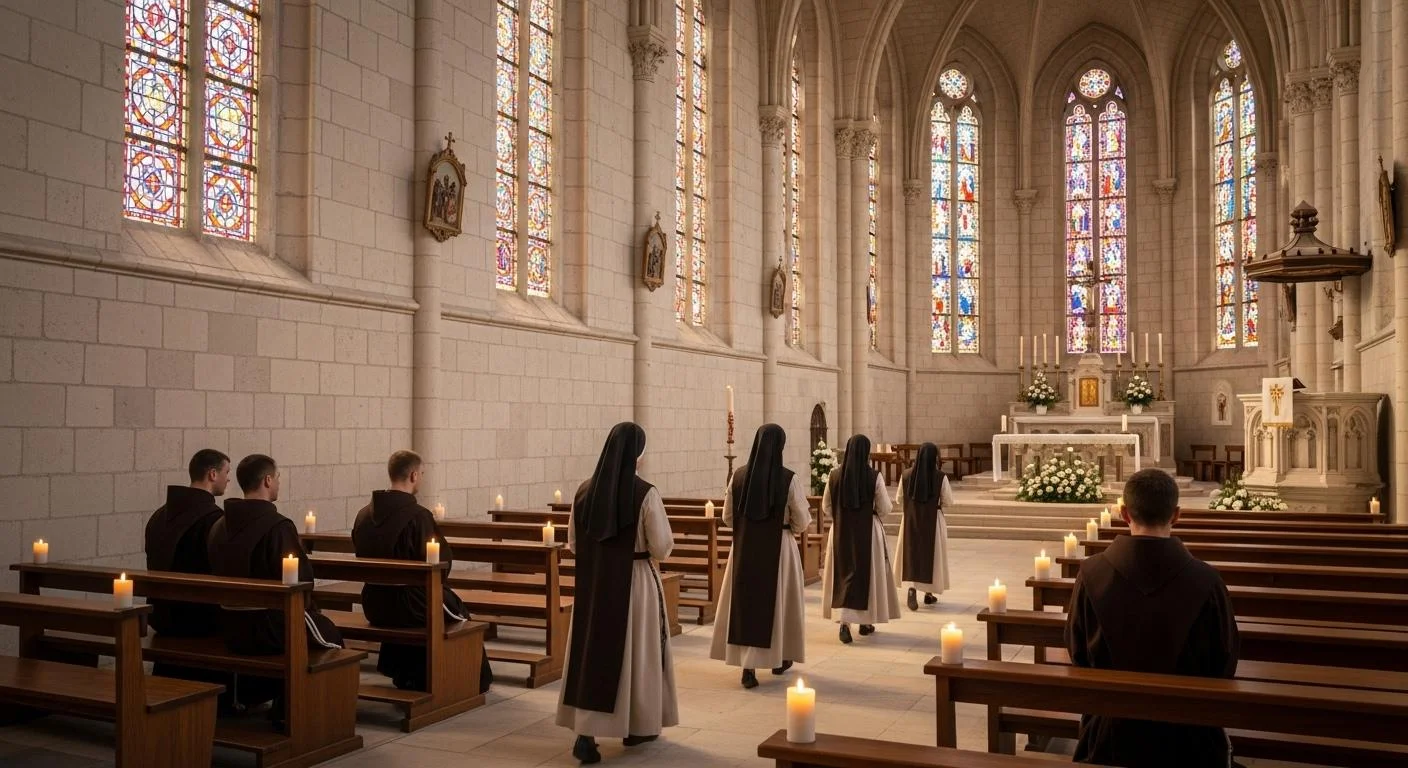
World Cancer Day has now established itself in calendars, every year, on February 4, without exception. It stirs memories, shakes families. You find that this date comes just at the beginning of the year, without celebration at its core, but with the will to mobilize once again. This day leaves no one indifferent because it brings together patients, families, caregivers, scientists, and the general public. Who hasn’t heard, this morning, talk of international mobilization or received a message to share? You, your neighbor, your colleague, it’s all of society that stops for a moment. The urgency of the fight against cancer is evident, no respite, no pause, everyone feels concerned.
The meaning of World Cancer Day and its global impact
The event is rooted in a powerful context. Since the early 2000s, the International Union Against Cancer (UICC) has set a date. February 4 marks the alert, sets the framework. The World Health Organization provides solid support, everything takes shape around collective mobilization. A date that commemorates nothing but pushes for action, year after year. The mobilization has not remained theoretical; it now brings together more than 120 countries. A global institution, multilingual campaigns, each actor federates without questioning the differences too much. Why, frankly, wait for a disease to sort among generations or origins? No one resigns themselves to that. You will have understood, this planetary action aims high. It wants to challenge habits, force awareness, provoke changes in mentalities and policies.
The historical context that drove the mobilization in February?
This will is felt and transmitted. Do you remember the colors of the ribbon, the signs in the streets, the digital campaigns? The energy of February 4 cannot only be explained; it is lived. The UICC, in agreement with the WHO, chose this date to affirm that prevention does not wait. Postures change, the gravity of the numbers makes the atmosphere serious, but solidarity emerges, intense. The global agenda for cancer is no longer subject to chance; it occupies public territory without compromising the human aspect of the fight. Do you doubt the symbolic power? This World Cancer Day disrupts, challenges, initiates a dynamic of which you become one of the actors, willingly or not.
The objectives of global mobilization
What should be remembered? Three axes, each year, come to the forefront: raising awareness among all audiences on a large scale, encouraging alliances between health professionals and institutions, spreading the reflex of prevention and screening. Everyone is chasing these objectives; on that day, you will not see isolated miracles. The solution remains grouped, shared, collective. The day emphasizes inequalities in access to care, these injustices, these social and geographical barriers that should no longer exist by 2025. By pointing out these problems, the mobilization truly invites action, without hesitation.
The current stakes and the reality of the fight against cancer on February 4
You are probably wondering, where are the numbers? Who lives this reality daily? Every data point, every report reminds us: this collective challenge persists. From one continent to another, cancer spares no age group, no country.
The global reality, what do the numbers say?
| Number of new cases in 2022 | Global mortality in 2022 | Geographical distribution |
|---|---|---|
| 19.3 million | Nearly 10 million deaths | 57% of new patients in Asia |
| Projection 2040, 28 million new cases | Africa affected by high mortality | |
| Most common types: breast, lung, colorectal | Significant disparity Europe, America, Asia |
A striking reality. The WHO affirms it, the International Agency for Research on Cancer confirms it. 19.3 million diagnoses in 2022, nearly ten million deaths during the same period. Asia concentrates the largest number of patients, Africa endures the highest mortality, a result of a fragile and inequitable healthcare system. On February 4, World Cancer Day is visible, shocks, refuses the norm, and reminds us of the urgency to break free from lethargy. We do not discuss it often enough, but projections for 2040 prepare the future to swallow more than twenty-eight million new cases each year. There is no doubt, the challenge is intensifying.
The ongoing challenges of access to care and prevention
The journey of a cancer patient still holds too many obstacles. Access to treatments, examinations, remains conditioned by geographical situation, economic situation, the ability to assert oneself against bureaucracy, or even to overcome the fear of the verdict. How many miss a chance due to lack of information or resources? World Cancer Day signals, repetitively, the necessity to insist on prevention, the revaluation of the role of screening, the priority of unwavering solidarity to remove obstacles. A picture not so rosy, but one that carries changes, sometimes unexpected, revealed every February 4.
Actions observed around the world on February 4 during World Cancer Day
Slogans strike the mind, campaigns adapt, social networks spread new messages each edition. Does this have a lasting impact? Undoubtedly, as the commitment and multiplicity of initiatives seem varied and relevant according to local needs.
Global campaigns and recent themes
You recognize the influx of hashtags on social networks, the walls of cities covered with engaged posters, often carrying a strong message, affirming urgency. “Bridging the gaps in care” represented the mobilization axis in 2024, and this theme found particular resonance across all continents. Encouraging initiative, digital mobilization intensifies, NGOs speak out, organize meetings in schools, hospitals, and corporate networks. World Cancer Day shifts the debate, breaks the taboos around diagnosis, ardently defends patients' rights, and reminds us how equality in treatment is not improvised. Everyone adds their stone, with more or less echo, but the momentum does not weaken.
Local initiatives and life stories
| Country | Initiative | Impact |
|---|---|---|
| France | Collective march organized by the League Against Cancer in February | 200,000 people mobilized, latest official estimate |
| India | Free screening assessment in major cities | More than 100,000 participants on February 4, 2025 |
| Switzerland | Citizen meetings, debate cafés, prevention workshops | Direct interactions between practitioners and residents |
| Brazil | Digital visibility campaign #UnitedAgainstCancer | More than 4 million affected individuals, report from the Brazilian Ministry of Health |
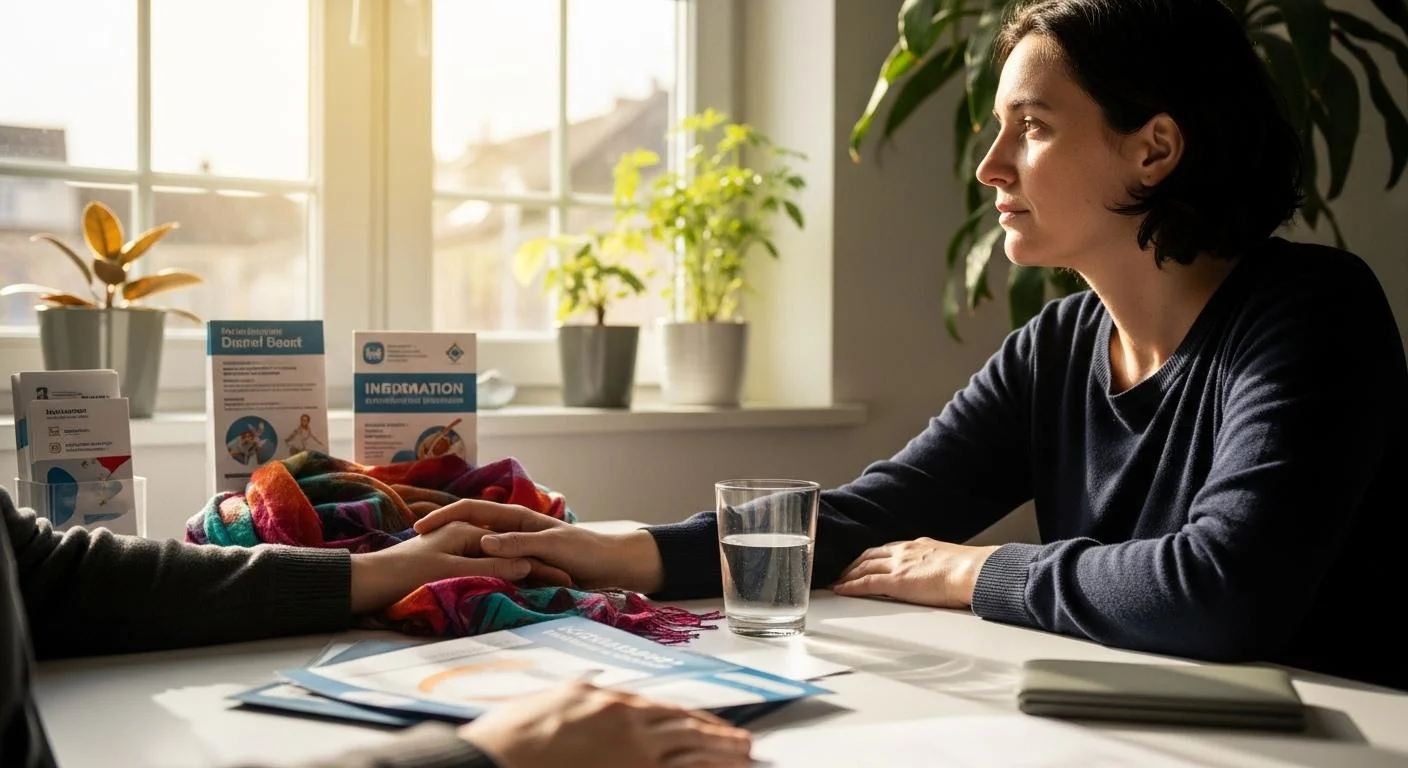
In the crowd, Margaux, hand tightly clasped with her daughter, observes volunteers distributing flyers and smiles. She testifies, voice broken, about her battle that began in 2022, recounting the anxiety of the diagnosis and the comfort felt during this mobilization on February 4. “On this day, loneliness evaporates, the disease makes room for hope, strangely. I come for myself, but my thoughts go to those who remain in the shadows.” The bursts of voices, the shared glances among peers, everything comes together during World Cancer Day, relegating the disease to the background, if only for a moment.
- Millions of people participate in solidarity marches in February
- More than 100,000 individuals benefit from free screening in various countries every February 4
- Social networks and posters become tools for popular education against cancer
- Direct exchanges between professionals and citizens facilitate prevention
Long-term perspectives after World Cancer Day, and the ongoing mobilization
So what remains when February 4 fades from the calendar? A legitimate question. The collective effort does not wane, far from it. Science, technology, shared experiences invent tomorrow and pronounce words long hoped for by families.
Scientific advancements, where do we place hope?
Laboratories face a race against time every year, stimulated by World Cancer Day and the ever-increasing expectations. Artificial intelligence promises tailored, precise diagnostics, adapted to each patient. Innovations in immunotherapy outline new therapeutic routes and reshuffle the cards in front of cancers previously synonymous with fatality. New tests, adjusted protocols, a shared, coordinated effort, often amplified after actions taken on February 4. Human investment, material support, institutional or citizen backing, nothing can dissolve, lest we see the progress made evaporate. Who wouldn’t dream of entering an era where healing becomes, why not, a norm?
Prevention in daily life, and you?
A raised arm against fatalism, prevention moves forward step by step. Adopting a balanced diet, moving the body as often as possible, choosing to reduce exposure to tobacco or alcohol, this is where personal commitment begins. You know, getting an individual screening test, adhering to monitoring, is a habit that saves lives; it’s not a detail. Not just for oneself. Public Health France's statistics are unequivocal; colorectal screening from age 50 or earlier in case of family history transforms anonymous lives. The message is clear, move away from inaction, dare to talk about cancer, dare to act, not just on February 4. Everyday gestures, seemingly trivial, carry a collective ambition, that of finally reducing the incidence of the disease and disarming the silence that surrounds it.
World Cancer Day shakes, questions, challenges, and reminds us every February 4 that this fight, far from stopping, invites us to revisit our own choices a little more often. So, what are we waiting for now to imagine the next revolution against this disease?