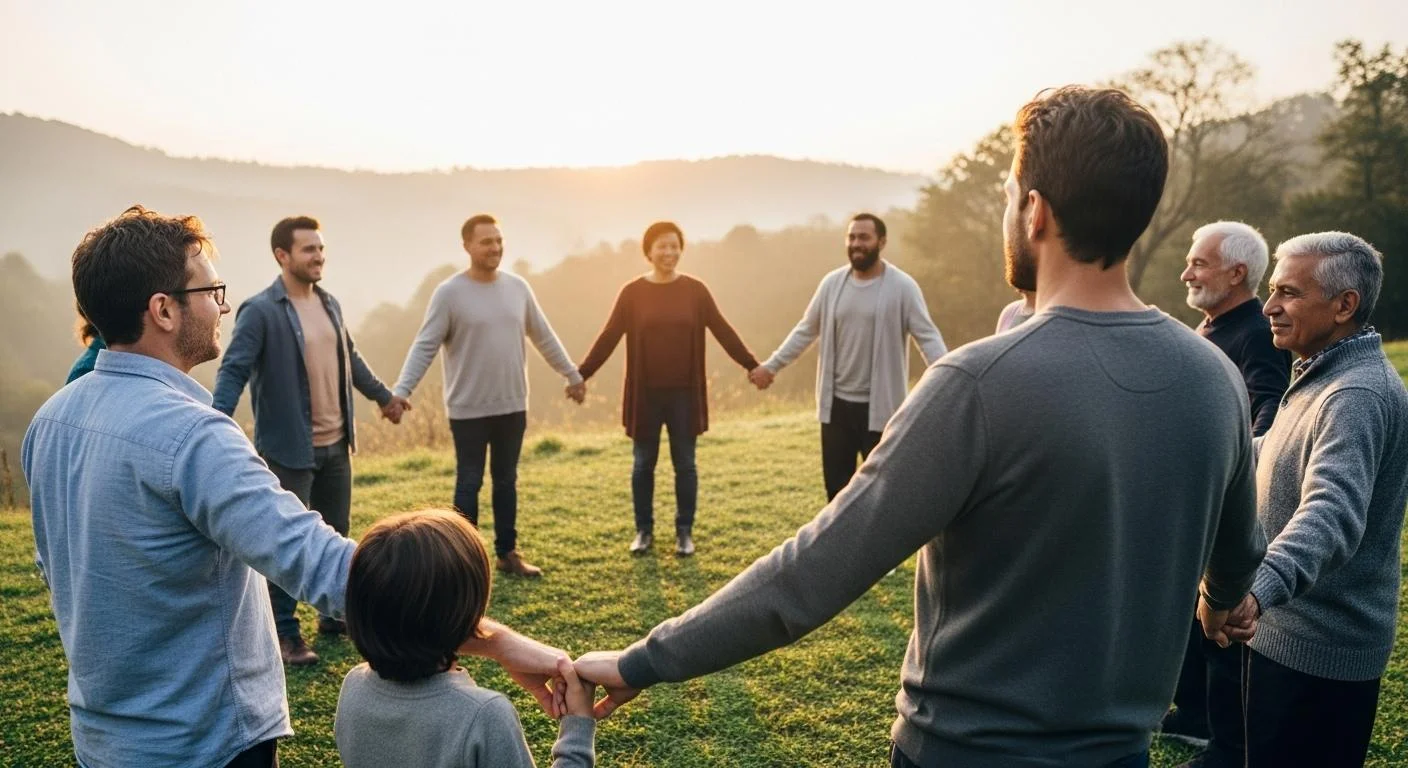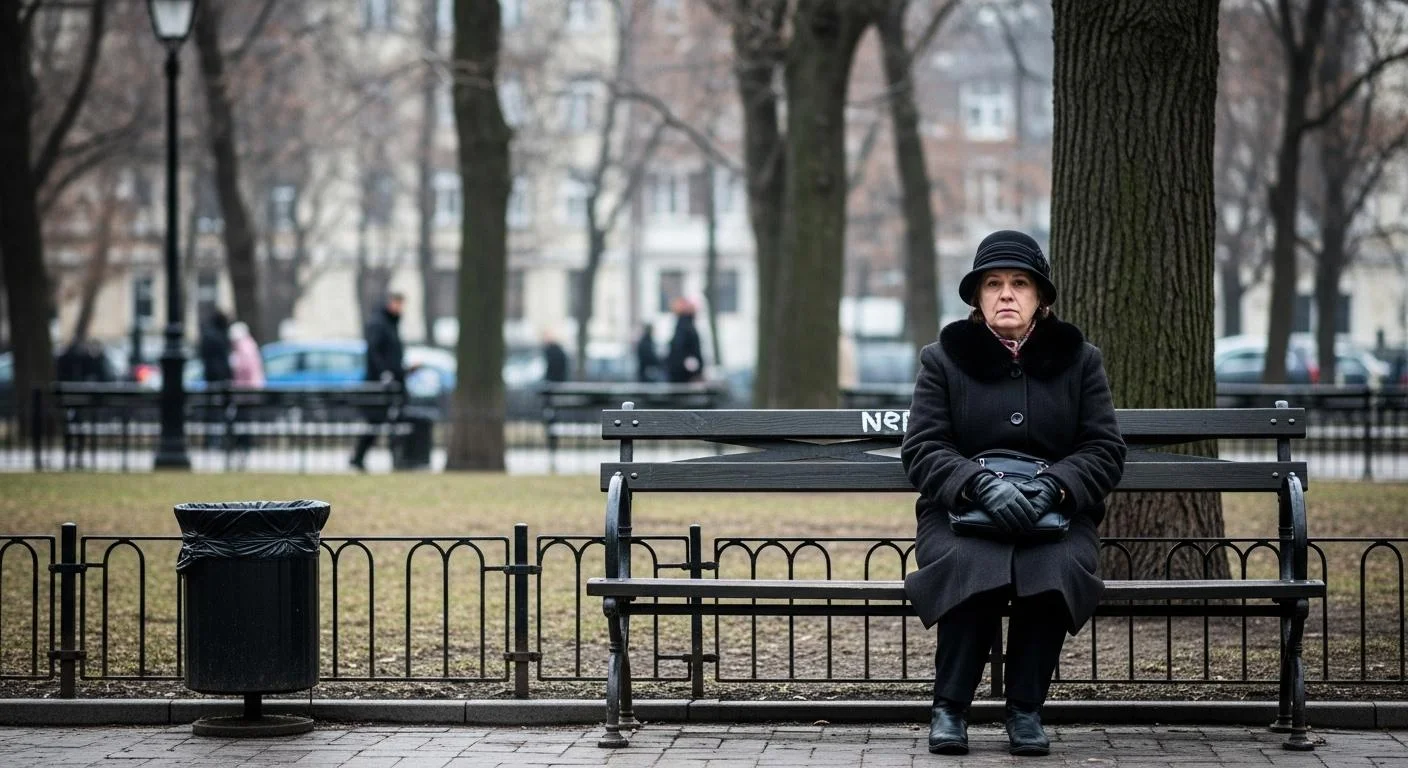
In the shadow of winter, a particular silence hangs in the air. You know it, isolation imposes itself, discreetly, insidiously. The date of January 23 thrusts World Day of Solitudes into the spotlight. This annual meeting prompts reflection; social isolation does not recede by chance. On January 23, everyone finally looks at the problem, no more closing the window. Sometimes it just takes a light to shift the established order; some try, others ignore, but solitude persists.
The meaning of World Day of Solitudes, what resonance for 2025?
The story is still being written, year after year, in small strokes. The year 2018 marks the start in France, Astrée launches the movement, nothing grandiose, just a pressing need. You too often encounter a stranger who hides isolation behind routine. Associations follow, Fondation de France, local collectives, many join the call. So why this sudden need for a collective awakening in 2025? Each actor recognizes the damage to the social fabric that is fraying. Forms of solitude accumulate, no exceptions, no age, no status. The World Day of Solitudes on January 23 transforms silent discomfort into solidarity. Networks activate, the government observes, no one denies the figures. Faced with fatalism, some shake up the trend, others seize a simple action, never trivial.
The French origins and the collective dynamic, who drives the change?
It is primarily Astrée that initiates the approach, then other associations come into play. Fondation de France amplifies the voice from the ground, local structures offer concrete relays. The social context is no longer surprising: dispersed families, strained ties, everyone knows someone who feels this void. Faces come and go, but anxiety remains familiar. Transforming the anonymity of the neighborhood into mutual aid seems simple, but who dares to cross the threshold? January 23 imposes itself, awakens the debate – France discovers how heavy silence can weigh.
The objectives of social mobilization, towards what actions?
Too often, solitude is rooted in discomfort. Talking about isolation is disturbing; we look away. January 23, World Day of Solitudes, wants to break the cycle: we no longer stigmatize, we exchange, we act. Do you remember a moment when the presence of another changed everything? Families, neighbors, schools, institutions, everyone must respond. Ambitions are displayed; solidarity must find its place. Forgetting fatalism, multiplying encounters, making the diversity of solitude visible, that is what society expects. It is not enough to observe; we must provoke the spark of mutual aid. Awareness campaigns are investing in networks, the media finally gives a voice to those who remain on the margins. Isolation is no longer a fatality; everyone holds a key, even a tiny one, to open the dialogue.
The observation of social isolation, what realities in France and around the world?
What do the figures say? Recent studies do not minimize anything. You come across a report; in France, more than ten million people claim to live in solitude, according to Insee and Fondation de France, edition 2025. The increase spares no continent. Europe is frightened, the statistics are alarming, but there is hesitation in realizing the extent of the phenomenon. A quarter of the French mention a common feeling of isolation, the Spaniards are close behind at twenty-two percent, the United Kingdom hovers around eighteen percent. The differences widen, but the crisis remains global.
| Country | % of isolated people (2025) | Dominant age group | Source |
|---|---|---|---|
| France | 24 % | Seniors 65 and older | Fondation de France |
| Spain | 22 % | Young adults 18-25 years | Eurostat |
| United Kingdom | 18 % | Seniors | ONS 2025 |
| Germany | 17 % | Urban adults | BAMF 2025 |
After the pandemic, everything changed; borders closed, visits reduced, habits shattered. The consequences are felt, and nothing resembles what one might have believed. Young people, workers, retirees, no refuge; solitude strikes all backgrounds. No longer possible to reduce isolation to old age or economic deprivation. The specter widens; surprising categories are not lacking.
The aggravating factors, what mechanisms trap connected societies?
Since Covid-19, society is retreating, family ties are stretching, collective memory is losing its bearings. We believed technology could save everything; bad bet. The more we connect, the more some isolate themselves; the spiral feeds on unanswered messages. The illusion of digital connection is the promise of closeness canceled by solitude in front of the screen. Today, fatigue from mobility, distance from the friend circle, phone calls go unanswered. Precarity, urbanization, everything works against relational stability. Studies accumulate explanations, but lived experience does not lie. Isolation slips into the breach of modern life, accelerating as soon as a network cracks. You were sure you had avoided the trap, but it touches every level of social life. World Day of Solitudes tries to pierce the screen of indifference; nothing is written in advance.
The consequences of solitude on health and social ties, what does experience reveal?
You have been told enough; solitude does not only affect morale. Studies from Fondation de France state unequivocally that the risk of depression doubles as isolation settles in for the long term. Mental health collapses, anxiety rises, invisible pains resurface. We talk, we worry, but daily life goes on. A doctor met in Lille slips that many of these cases lead to persistent fatigue, to pains that never seem to end. The body speaks in place of the heart. The pathology of solitude affects the immune system, the heart, digestion. Statistics leave little doubt; without intervention, vulnerabilities amplify. Sometimes, it just takes a few words to break this infernal circle, as evidenced by the testimonies, even anonymous, that we read in forums.
The impacts on social cohesion, who pays the price?
No united society without a minimum of effective solidarity. The signs no longer deceive: decline in volunteering, collapse of intergenerational exchanges, stagnation of participation in solidarity actions. When no one listens to each other anymore, society heads straight towards distrust. We witness less engagement, more suspicion, a tenacious fragmentation. The ties are lacking; no one remembers a time when all this seemed easy. Yet memory remains, the strength of the collective as soon as the desire to reunite takes over. – who dares to say otherwise?
Collective and individual actions, what paths to reinvent solidarity?
If January 23 World Day of Solitudes imposes itself, it is due to a mobilization that continues to grow. Listening devices multiply thanks to Astrée, sometimes in all simplicity, a phone call, a visit. The Little Brothers of the Poor roam the neighborhoods, seek physical encounters, organize regular visits. Associative networks and local institutions play the score, not perfect, never sufficient but essential. Neighborhood solidarities are regaining ground; online platforms host listening groups, ephemeral forums. Visibility, pragmatism, and innovation form the triad against solitude.
- More presence in neighborhoods
- Valued intergenerational actions
- Digital spaces for quick listening
- Awareness campaigns in schools
You sometimes doubt the usefulness of a call, you hold back a smile, you hesitate on the invitation. Everything starts with a click; no need for a monumental plan. Mutual aid embodies itself in proximity, the courage of a mundane initiative. We engage in conversation, we will improvise a group of neighbors for coffee, we truly listen to the response. A text message, a handshake, sometimes have the effect of an electric shock in the retreat of daily life. Every micro-action recreates a dynamic, even virtual. Associations deploy their teams, but without individual relays, nothing endures. Society awaits the awakening; the minority initiates it, the majority follows, through the contagion of simple gestures.
« I had been waiting for her call for three weeks, says Anne, seventy-four years old, she lives in the suburbs of Lille. When the volunteer from Astrée crosses the threshold, it is first disbelief. A smile, a tear, then, the following Friday, everything starts again. I no longer remain in waiting; now, I become the inviter. »
The concrete experience of meeting, a voice, a gesture, awakens a whole ecosystem. On January 23, World Day of Solitudes gives a prominent place to these reunions. No artifice, no announcement effect; cohesion weaves itself in the thickness of regained habits.
Testimonies and expert opinions, how do they resonate with the public?
You browse the testimonies in the press or on social networks. The people concerned reveal the violence of daily life and then the possible transformation. A senior regains the taste for a shared activity thanks to an association, a young adult finally expresses himself in a speaking group, a blended family weaves new ties during a workshop at the community center. Each victory remains modest, but the neighborhood finds itself changed.
Experts' views, what recommendations for the future?
Specialists intervene, insist, it is necessary to systematize the identification of isolation, to act from school. Professor Michel Delagneau, Institute of Social Studies in Paris, advocates a preventive and inclusive approach. Strengthening training, equipping families, mobilizing communities, everyone repeats the same thing. Dialogue, diplomacy, kindness, everything would go through that. National campaigns would fail without local relays; nothing can replace real proximity. Getting involved, identifying, reacting before a person sinks deeper, that is the main demand. Recommendations abound, but voluntarism makes the difference.
January 23 World Day of Solitudes does not belong to the past. This date questions, scars memory, calls for renewed engagement. An exchanged glance, a hand extended, that is where the challenge lies. You sometimes wait for others to take the first step, but today, everything starts with a choice. Social isolation will not yield without a collective and singular offensive. The dialogue will remain open, the hand extended too.