December 5 suddenly draws attention to a subject that is talked about too little, soils, the discreet roots of our existence. You may wonder why this date keeps coming back, persistently, in the mouths of those concerned about biodiversity, food security, and our future. This day, official for several years, infiltrates debates because it reveals that everything starts there, under your feet, silently. You may not realize it, but the preservation of soils determines the health of your plate, your climate, and the balance of the world. Here is the essence: December 5, World Soil Day, is not a passing trend; it is a necessity that leaves no one indifferent.
The official recognition and meaning of December 5, World Soil Day
You feel the gravity of this morning where, all over the world, farmers, teachers, NGOs, and governments synchronize. Why December 5 and not another date? It is the United Nations that got involved, driven by a chorus of scientific alerts, cries from the heart coming from Thailand or the Sahel. The FAO, often silent in public, finds itself in the headlines. It has sounded the alarm: arable land is disappearing before our eyes, erosion is no longer pretending, salinization and pollution are progressing. The commitment has been official since 2014, yes, but awareness is gradually rising, carried by these voices that we hear in amphitheaters, in research hives, and during debates at the UN. The entire planet has recognized this urgency. What other day brings together such diversity? The alliance of science and the field is gradually transforming this date into a planetary symbol. You are no longer dealing with a file reserved for specialists; society as a whole is grasping it.
The practical utility and significance of the celebration of December 5, World Soil Day
You read a different concern in the eyes of farmers that day. Living soil, essential for all sustainable agriculture, finally retains its place. Governments are reacting; they are voting, they are funding. The urgency moves from technical reports to the streets, to families, to schools, where words gain strength. Involvement is widening, laws follow, tangible proof of a changing era. You know, the fight against the loss of microbial biodiversity is played out in the discretion of a handful of soil, in the attention paid to the slightest earthworm. If global food security depends on this thin layer, then this matter concerns us all, today, tomorrow, in Africa or Europe. It is impossible to relegate soil health to the bottom of the pile; it is impossible to believe that without fertile soil, we can still hope for everything.
The state of soils in 2025, where do we really stand?
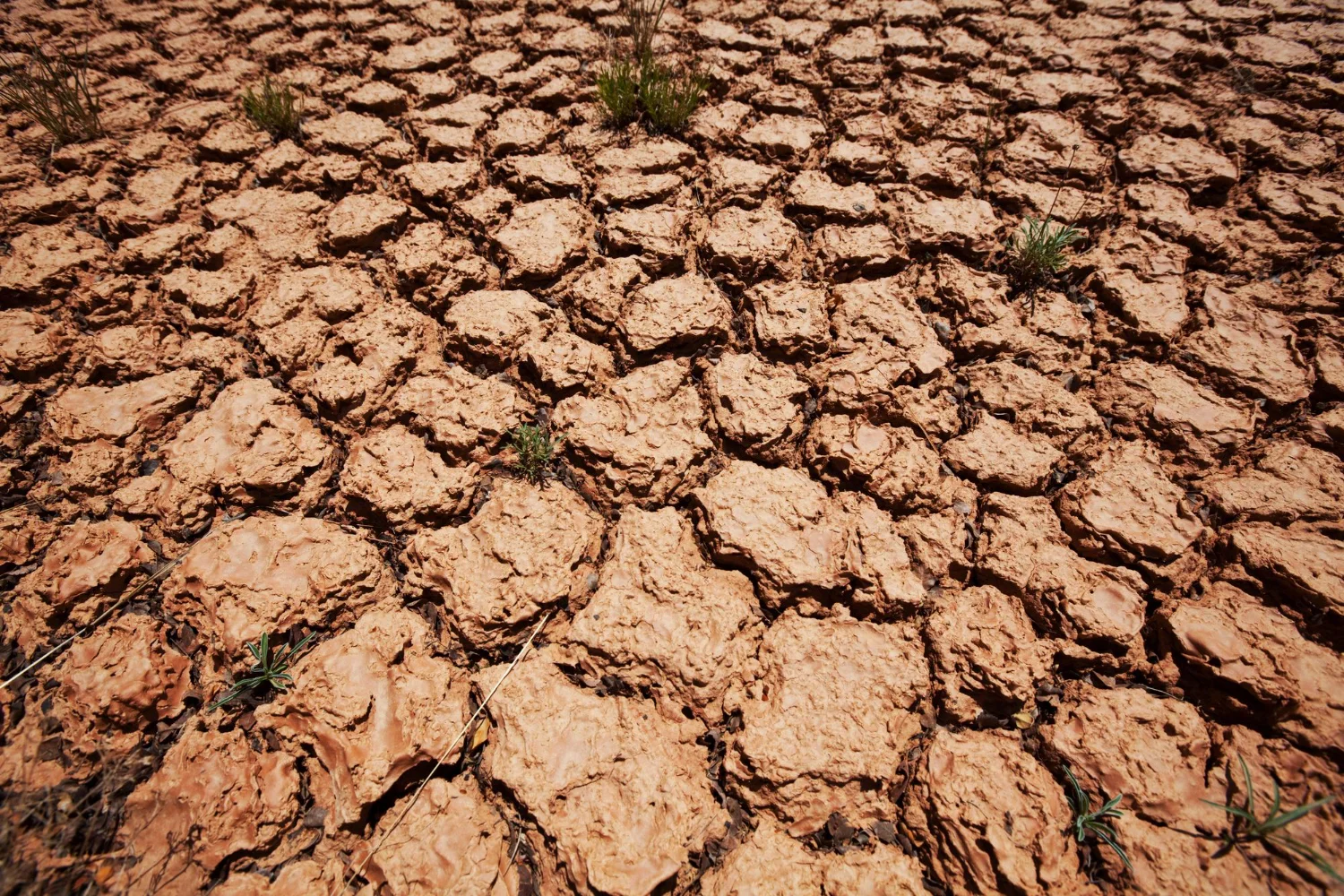
Do you hear the numbers? They snap, they scare: 24 billion tons of soil lost every year according to the FAO. Yet, the threat often remains silent for those who do not have their noses in the ground. Visible degradation, but also silent pollution, erosion accelerated by monocultures, overgrazing, excessive irrigation in certain regions. Do you think acidification only affects Northern Europe? We discover that Central Asia also suffers from massive salinization, that sterilization is progressing in violent bursts. Chemical pollution, microplastics, they penetrate everywhere; no one escapes it. The artificialization of seven million hectares of agricultural land every year is written in the Global Soil Partnership report. The reservoirs of underground life are dwindling, climate resilience is eroding.
The major consequences on the food and health biosphere
| Threat | Impact on food | Climate effect | Health consequence |
|---|---|---|---|
| Severe erosion | 40% drop in production in several regions of Africa according to the FAO | Massive release of CO2 stored in the soil | Poor nutritional harvests |
| Salinization and acidification | Sterilization of millions of hectares in Central Asia | Disruption of the water cycle | Depletion of vitamins and minerals in food |
| Chemical and plastic pollution | High risk of crop contamination | Alteration of carbon storage capacity | Toxic residues in water and food |
| Loss of microbial biodiversity | Decrease in the yield of sustainable agricultural lands | Weakening of carbon fixation | Increased spread of human and animal pathogens |
You see the loop. Less yield, more hunger, rising prices, accelerated climate change, increased health risks. Do we really have to wait for total catastrophe to recognize interdependence? The damages are visible on the plate, in the air, on the global thermometer, at a speed that no longer suffocates only the experts.
Chronic insecurity settles in rural areas, nutrition deteriorates, carbon storage collapses silently, except on the day when we truly measure the CO2 released.
Do concrete solutions allow for hope?
Fortunately, you see vibrant forces emerging. International institutions, NGOs, schools, all these energies converge on December 5, World Soil Day. The FAO manages more than 200 projects in 2025, from Morocco to Malaysia. Students literally plunge their hands into the soil. Programs in French institutions are sparking vocations, attentive eyes on microfauna. In Ethiopia or Mexico, the planting of hedges or the return to old crops is taking place on hectares, without fanfare but with efficiency. What means to sustainably transform our lands? Awareness is materializing everywhere, in communities, among farmers, in associations, and sometimes around workshops held on December 5.
Agricultural practices, guarantees of a more fertile future
| Agricultural practice | Effect on soil | Benefit for biodiversity | Possible limits |
|---|---|---|---|
| Crop rotation, permanent ground cover | Reduction of erosion, soil enrichment | Maintenance of diverse plant and microbial species | Requires rigorous planning |
| Composting and organic amendments | Improvement of structure, increase in fertility | Fosters soil fauna | Variable availability of organic resources |
| Reduction of chemical inputs | Decrease in pollution and resistance | Protection of insects and microorganisms | Gradual transition necessary |
| Conservation of hedges and grassed strips | Anti-erosion barrier, refuge for fauna | Improvement of ecological corridors | Space mobilized for other uses |
Agroecology sometimes surprises local markets, consumers eager for healthy food, but the reality on the ground is rooted in courage, innovation, and hard knocks. Some alternate cereals and pastures, others reinstall hedges, everywhere the wind can tear the soil. Collective composting changes the dynamics in more than one village. An observation is imposed, echoed again during World Soil Day.
- Raise awareness among your surroundings on December 5, World Soil Day; information circulates in families, at school, or in the town hall.
- Participate in a scientific workshop, gather any questions from a local soil scientist, share knowledge.
- Join an environmental association, propose an outing around a vegetable patch or a grassed strip, where life abounds.
- Observe, document, share photos, videos on your networks on December 5, to amplify the wave of awareness.
Civic gestures at the heart of change?
Were you waiting for a scale of participation? The most effective often starts there, on the ground, in the playground, at the edge of a bank, or in the observation of an unknown microfauna. It is simple, sometimes tedious, but the soil lends itself to this challenge: uniting institutions, collectives, families, and individuals to prolong life. One winter morning, a teacher slips out loud, the tone still emotional, while observing his students:
« I saw my class change, completely, when they dug into the earth, when they understood the invisible living, they will not forget it. »
This thrill surprises you. December 5, World Soil Day, awakens both hands and mentalities, no longer a date on an official agenda, but the launch of an underground movement that carries the seeds of a world that resists, that inspires. And if nothing could be resolved in a day? The accumulated gestures, however, change the balance. There is still time to undertake, to nourish the earth beneath your feet, to watch over it. What other appointment would offer such direct contact with what really matters, there, so close, just under your boots?
December 5, World Soil Day, is lived, experienced, defended, year after year, because human life depends on this often neglected soil, which has become one of the major challenges of the 21st century. The question is no longer whether we should act; it is about finding a way to transform this cry of December 5 into a bundle of concrete, visible, fertile actions, everywhere around us. The earth is waiting for your response.